

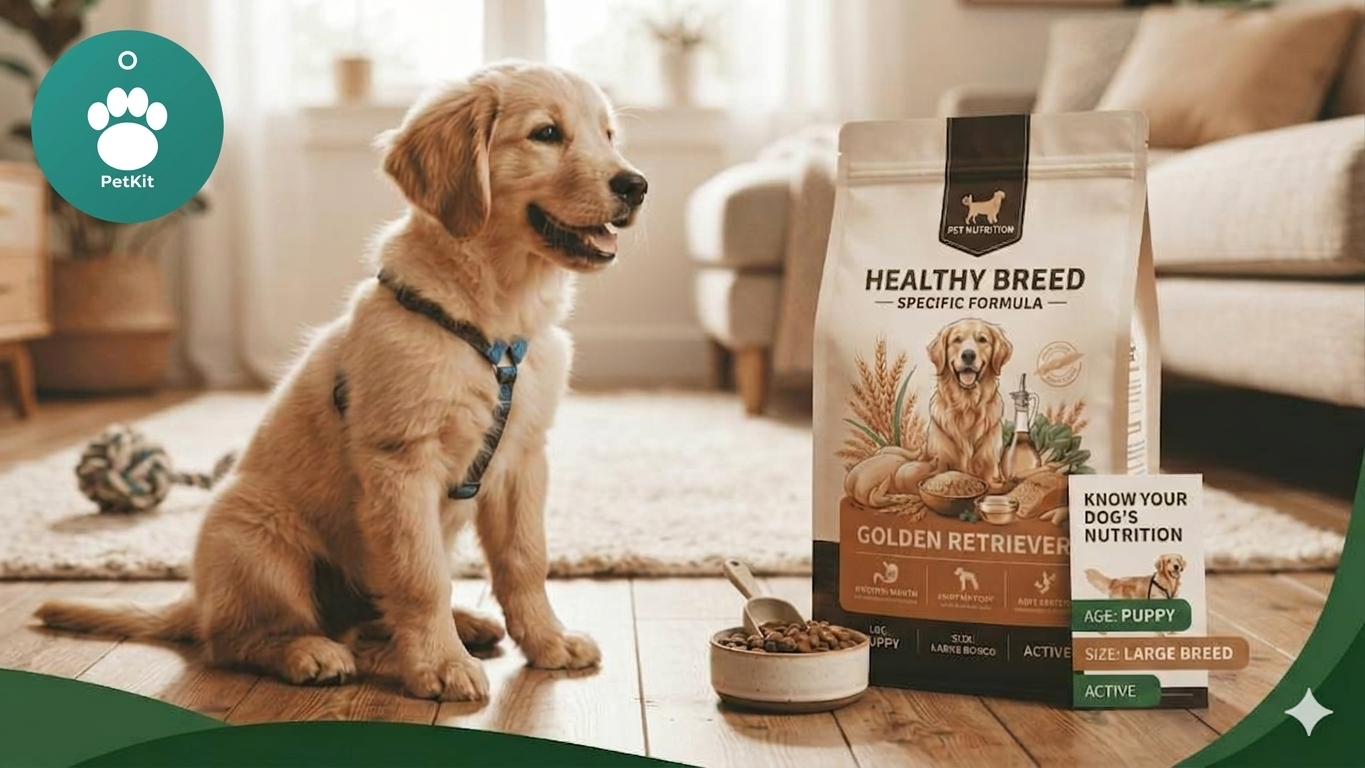
How to Choose the Right Dog Food for Your Breed?
Choosing the right dog food is one of the most important decisions for your pet’s long-term health and well-being. Different dog breeds have unique nutritional requirements based on their size, age, activity level, and genetic traits, making breed-specific nutrition an essential consideration. Many pet owners make the mistake of selecting food based solely on price or marketing claims instead of ingredient quality and nutritional value. Petco.pk offers a wide selection of premium dog food options designed to meet the nutritional needs of various breeds and life stages, making it easier to find the right choice for your furry companion.
Smart Tips to Choose the Right Dog Food for Your Breed
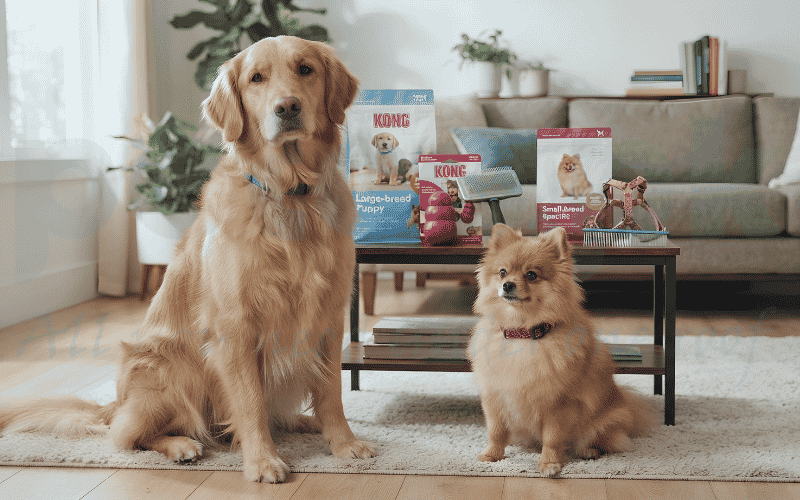
Understand Your Dog’s Breed Needs
Each breed of dog has specific needs according to its size, activity, and health. For large breeds, joint support may be required, and for smaller breeds, calorie-rich foods may be necessary. Understanding the nutritional needs of your dog’s breed enables you to ensure that your pet is fed every day to support its healthy growth, energy and overall wellness.
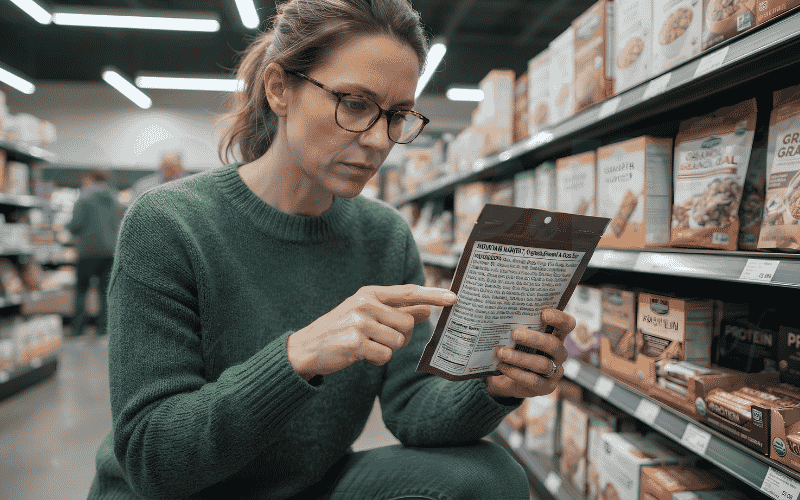
Check the Ingredient List Carefully
When purchasing dog food, consult the label on the ingredients. Search for real meat, healthy grains or veggies as the first ingredient. Foods that are high in fillers, artificial colors, and preservatives are to be avoided. Good quality ingredients deliver more nutritional value and keep your dog healthy through all life stages.
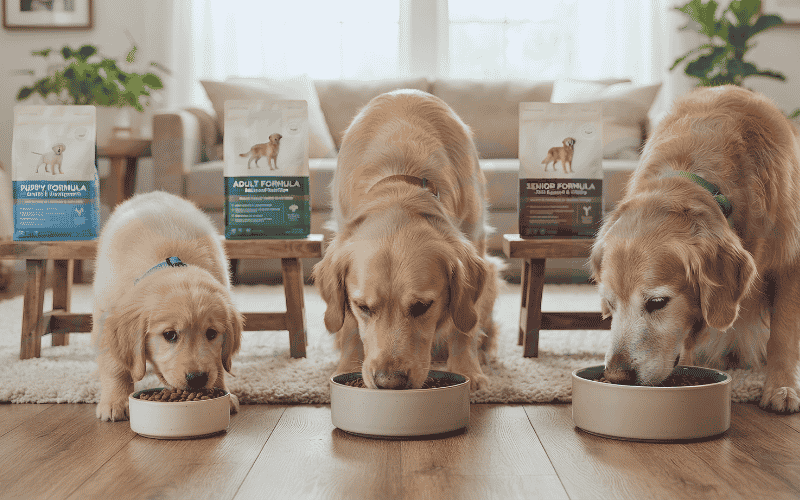
Match Food to Your Dog’s Age
There are different nutrients for puppies, adults, and senior dogs. Puppy food is designed to aid in growth, adult food keeps them healthy, and senior food usually contains joint and digestive support. The right life-stage formula allows your dog to receive balanced nutrition throughout his life.
Consider Your Dog’s Activity Level
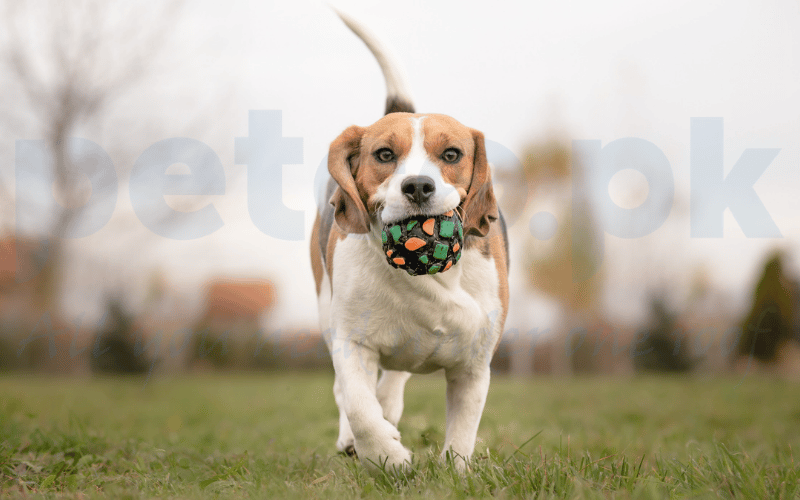
Working dogs require more calories, protein, and healthy fat. Dogs that are not as active might require a food with lower calories to avoid unnecessary weight gain. Consider the quantity and type of food your dog needs according to his daily exercise routine, so that he has a healthy weight and a regular daily energy supply.
Watch for Food Allergies and Sensitivities
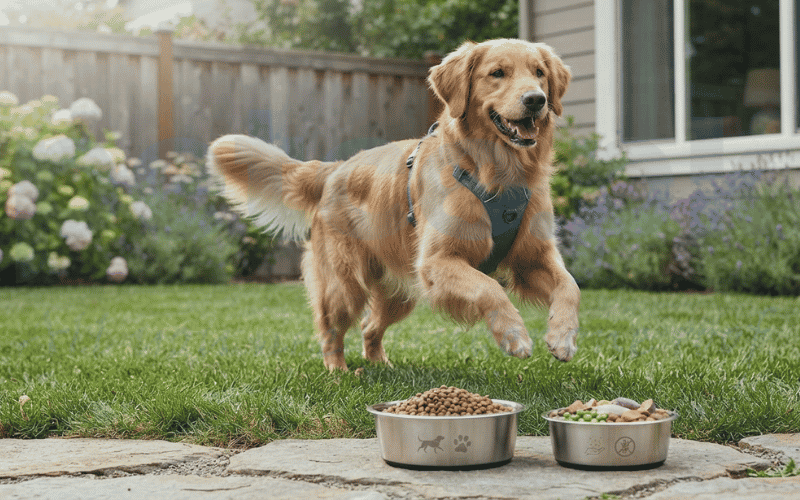
Some dogs are allergic to common foods such as chicken, beef, wheat, or dairy. If your dog scratches a lot, has digestive issues and/or itchy skin, visit a vet. Limited-ingredient or allergy-friendly food can help you feel better, digest food better, and improve your health without reliance on additional measures.
Choose Trusted and Balanced Dog Food Brands
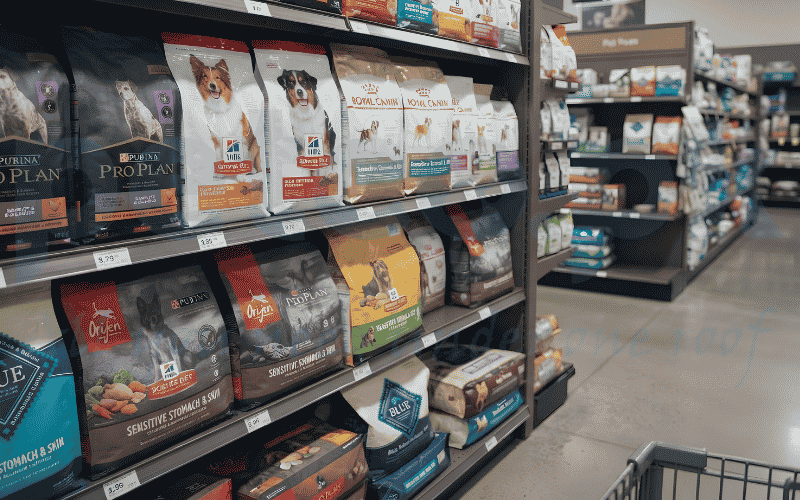
A reputable dog food brand means a higher likelihood of a well-rounded diet and high-quality ingredients in the food. Seek out those that adhere to existing nutritional guidelines and conduct quality control. It’s also beneficial to read customer reviews and seek advice from your veterinarian to make a confident and reliable decision every time.
Introduce New Food Gradually
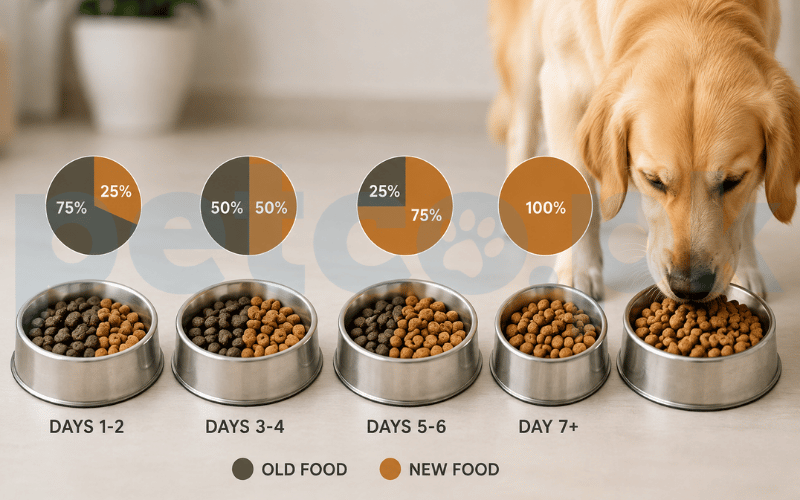
Changing dog food suddenly can upset your dog’s stomach. Add new food to the old food during a period of 7-10 days, adding more and more of the new food. The gradual change lets your dog’s stomach adapt easily to the new food, and decreases the chances of any stomach upset or diarrhea.
What Qualities Make a Dog Food Healthy for Them?
Quality high protein, balanced fats, vitamins, minerals, and fibre are essential components of healthy dog food and should provide the best nutrition for your dog’s overall health. Whole grains, vegetables, or healthy alternatives should be the second group, and real meat is always the first. Avoid over fillers, artificial colors, flavors, and preservatives, as they are not nutritionally of much value.
The right food should be appropriate for your dog’s activity, size, breed, and age. It should also aid in good digestion, healthy bones, shiny coats, and healthy weight. It also helps your dog stay healthy and happy with fresh water, correct feeding amounts, and frequent veterinary examinations.
How Often Should You Change Your Dog Food?
Unless there is a reason, don’t switch your dog’s food on a regular basis. Healthy dogs can consume the same balanced dog food for years as long as it provides them with the nutrients they need. A change in food can be beneficial when your dog is at a new stage in their life, if they develop allergies, if they gain excess weight, or if your vet recommends a change in food.
Introduce new food items slowly over 7-10 days by combining with the existing food. By making the change on a slow schedule, you can avoid stomach upset, diarrhea, or vomiting and help your dog get used to the new food without causing stress to their digestive system or health.
